What I treat · Continence after prostate treatment
Leaking after prostate treatment
Incontinence after a prostatectomy or radiotherapy is common, rarely discussed, and frequently endured for years on the assumption that it is permanent. It usually is not.
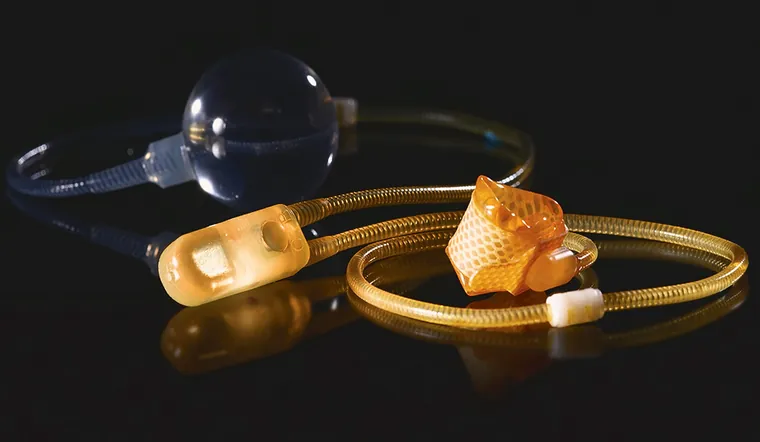
Prostate treatment can disrupt the valve that keeps you dry. Pelvic floor rehabilitation is the first step and works for many men within the first year. Recovery can carry on slowly for up to two years — but you do not have to stop recovering before you are entitled to an operation, and the artificial urinary sphincter remains the most reliable one there is.
The 2025 British Association of Urological Surgeons consensus is specific about the timing. Surgery should be offered after a minimum of six months where the leakage is severe, and twelve months where it is mild to moderate, to any man sufficiently troubled by it. The median wait from prostatectomy to continence surgery in England is 2.8 years. If you are past those thresholds and still in pads, that gap is worth raising rather than waiting out.
Treatments offered
- Artificial urinary sphincterBAUS leafletA25/144
- Male slingBAUS leafletF25/154
- Urodynamic assessmentBAUS leafletF25/039
- Pelvic floor rehabilitation pathwaysBAUS leafletF25/023
- Revision of previous continence surgery
The leaflets above are published by the British Association of Urological Surgeons (BAUS) and open in a new tab. They are linked, not hosted or altered.
Written and reviewed by Mr Musaab Yassin, Consultant Urological Surgeon & Andrologist. FRCS (Urol) · GMC 6118378 ·
Timing thresholds from the British Association of Urological Surgeons consensus on post-prostatectomy incontinence — Bhatt NR, Biers S, Sahai A, et al., BJU International 2025;135(6):887–901, doi:10.1111/bju.16726.
Oxford Men’s Health